
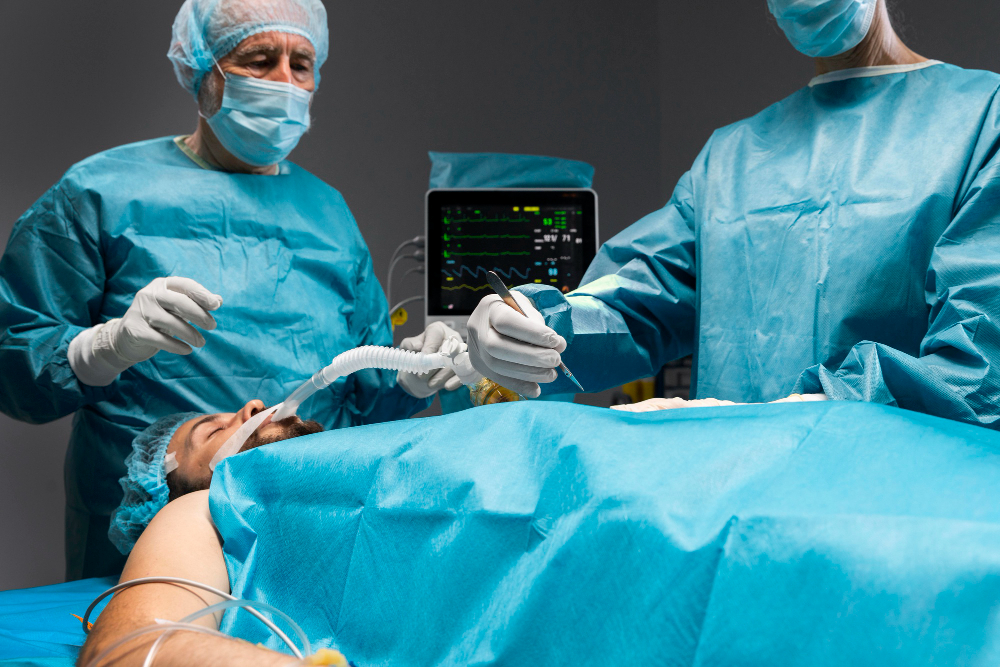
What is Laparoscopic Cholecystectomy?
Laparoscopic cholecystectomy is a type of minimally invasive surgery. Doctors use it to remove the gallbladder. The gallbladder is a small organ under your liver. It stores bile, which helps digest fat. During this surgery, doctors make small cuts in your belly. They use a camera and special tools to remove the gallbladder. Because the cuts are small, recovery is often quicker than with open surgery. Many people call this procedure “laparoscopic gallbladder surgery.” It is now the most common way to remove a gallbladder.
Indications: When is the Procedure Needed?
Doctors may suggest laparoscopic cholecystectomy for several reasons. Most often, it is needed when you have gallstones. Gallstones are hard pieces that form in the gallbladder. They can cause pain, infection, or block the flow of bile. Sometimes, the gallbladder becomes inflamed or infected, a condition called cholecystitis. In rare cases, polyps or growths in the gallbladder may also require removal.
If you have these problems, your doctor may recommend this surgery.
Preparation for Surgery
Before laparoscopic cholecystectomy, your doctor will give you instructions. Usually, you will need some blood tests and an ultrasound. Sometimes, other scans are needed to check your gallbladder and bile ducts. You may need to stop eating or drinking for several hours before surgery. Also, your doctor may ask you to stop certain medicines. It is important to follow all instructions closely. This helps lower the risk of problems during surgery.
The Procedure: Step-by-Step Explanation
Laparoscopic cholecystectomy is usually done in a hospital. The surgery takes about one to two hours. Here is what you can expect:
Because the cuts are small, you may have less pain and heal faster than with open surgery.
Benefits of Laparoscopic Cholecystectomy
This minimally invasive gallbladder surgery offers many benefits. For example, you may have:
Because of these advantages, most doctors prefer this method over open surgery.
Risks and Possible Complications
Like all surgeries, laparoscopic cholecystectomy has some risks. However, serious problems are rare. Possible risks include:
Most people recover without major issues. Still, it is important to know the signs of problems, such as fever, severe pain, or yellowing of the skin. If you notice these, contact your doctor right away.
Recovery and Aftercare
After laparoscopic gallbladder surgery, you will rest in the recovery room. Many people go home the same day. Sometimes, you may need to stay overnight. At home, you should:
Most people return to work or school within one to two weeks. However, everyone heals at their own pace.
Tips for a Smooth Recovery
To help your body heal after laparoscopic cholecystectomy, follow these tips:
With proper care, most people recover quickly and feel better soon.
Frequently Asked Questions (FAQs)
Is laparoscopic cholecystectomy safe?
Yes, it is considered safe for most people. However, like all surgeries, it has some risks. Your doctor will discuss these with you.
How long does recovery take?
Most people return to normal activities within one to two weeks. Some may need more time, depending on their health.
Will I need a special diet after surgery?
At first, you may need to eat light, low-fat foods. Over time, you can return to your usual diet. Some people notice mild changes in digestion.
Are there alternatives to laparoscopic cholecystectomy?
In some cases, open surgery or non-surgical treatments may be options. However, laparoscopic surgery is usually preferred because it is less invasive.
Can I live normally without a gallbladder?
Yes, you can live a normal life without a gallbladder. Your liver will still make bile to help digest food.
Consult a qualified surgeon for personalized advice about laparoscopic cholecystectomy.