
What is Laparoscopic Splenectomy?
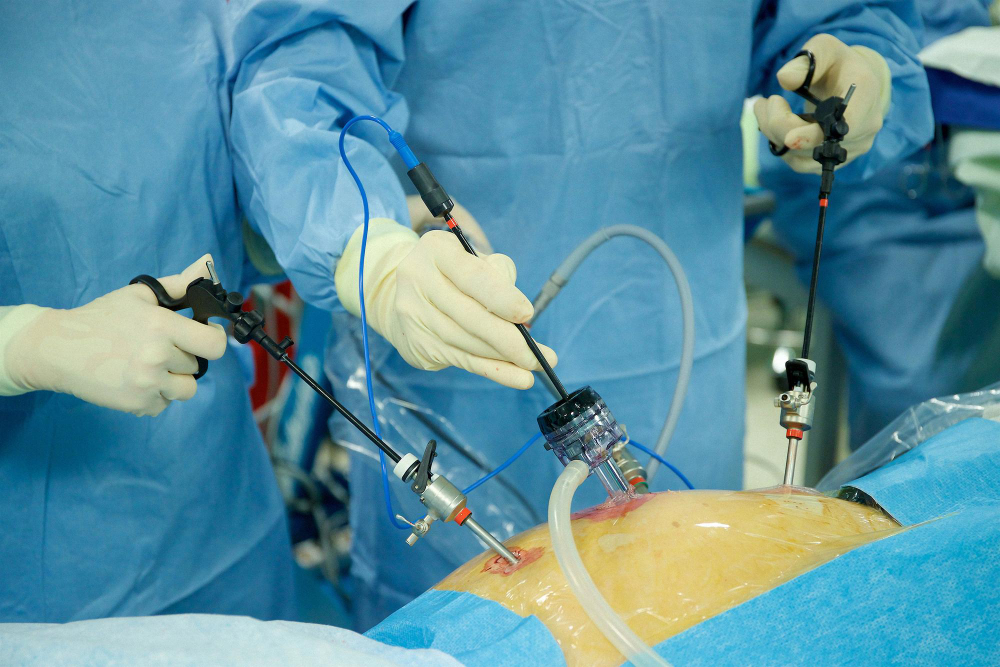
Laparoscopic splenectomy is a minimally invasive spleen surgery. Doctors remove the spleen using small cuts and special tools. This method uses a camera called a laparoscope. Because of this, the surgeon can see inside your belly without making a large cut. Many people choose this surgery because it often means less pain and a quicker recovery. The primary keyword, laparoscopic splenectomy, refers to this advanced way of removing the spleen.
Indications: When is Laparoscopic Splenectomy Needed?
Doctors may suggest laparoscopic splenectomy for several reasons. For example, you might need this surgery if your spleen is damaged or not working right. Common reasons include:
Sometimes, doctors recommend this surgery if other treatments do not help. Always talk to your doctor to see if this is the right choice for you.
How is the Procedure Performed?
First, you will receive general anesthesia, so you will not feel pain. Next, the surgeon makes a few small cuts in your belly. Through these cuts, the doctor inserts a camera and special tools. The camera sends images to a screen, helping the surgeon see clearly. Then, the spleen is carefully separated from nearby tissues. After that, the surgeon removes the spleen through one of the small cuts. Finally, the cuts are closed with stitches or glue. Most people stay in the hospital for one or two days after surgery.
Benefits of Laparoscopic Splenectomy
Laparoscopic splenectomy offers many advantages over open surgery. For instance, you may notice:
Because this is a minimally invasive spleen surgery, many people recover more quickly. According to the CDC, minimally invasive techniques often lead to better outcomes.
Risks and Possible Complications
Like any surgery, laparoscopic splenectomy has some risks. However, most people do well. Possible risks include:
Additionally, living without a spleen can raise your risk of certain infections. For this reason, doctors may recommend vaccines before and after surgery. Always discuss laparoscopic splenectomy risks with your healthcare team.
Recovery and Aftercare
Most people recover from laparoscopic splenectomy within two to four weeks. However, recovery time can vary. Here are some tips for splenectomy aftercare:
Because your body is adjusting, you may feel tired at first. But with proper care, most people return to normal life soon. If you have questions about splenectomy recovery time, ask your doctor.
Prevention and Lifestyle Guidance
After your spleen is removed, you need to protect yourself from infections. For example, you should:
Because your immune system changes, you may need extra care when traveling. Always carry a medical alert card that says you have had a splenectomy.
Frequently Asked Questions
Is laparoscopic splenectomy safe?
Yes, for most people, it is safe. However, like all surgeries, there are some risks. Your doctor will help you decide if it is right for you.
How long is the splenectomy recovery time?
Most people recover in two to four weeks. However, some may need more time, depending on their health.
Will I need to take special medicines after surgery?
Sometimes, you may need antibiotics or vaccines to prevent infections. Your doctor will guide you on this.
Can I live a normal life without a spleen?
Yes, most people live normal lives after a splenectomy. But you must take steps to avoid infections.
Where can I get laparoscopic splenectomy?
You can find this surgery at many hospitals and clinics. For example, search for “laparoscopic splenectomy in [your city or country]” to find options near you.
If you have more questions, always ask your healthcare provider.
Consult a qualified surgeon for personalized advice about laparoscopic splenectomy.