
What Is a Mastectomy?
A mastectomy is a surgery to remove one or both breasts. Doctors often use mastectomy as a treatment for breast cancer. Sometimes, it is also done to lower the risk of breast cancer in people at high risk. Because mastectomy surgery can be a big step, it is important to know what it involves. Many people have questions about recovery, risks, and life after mastectomy. This guide will help you understand the basics.
Common Reasons for Mastectomy
Doctors may suggest a mastectomy for several reasons. Most often, it is part of breast cancer treatment. However, there are other reasons as well. For example, some people choose this surgery to prevent cancer if they have a strong family history. Here are common reasons:
Types of Mastectomy
There are different types of mastectomy. Each type depends on the person’s needs and the doctor’s advice. For instance, some surgeries remove only the breast tissue, while others remove nearby areas too. The main types include:
How Is a Mastectomy Performed?
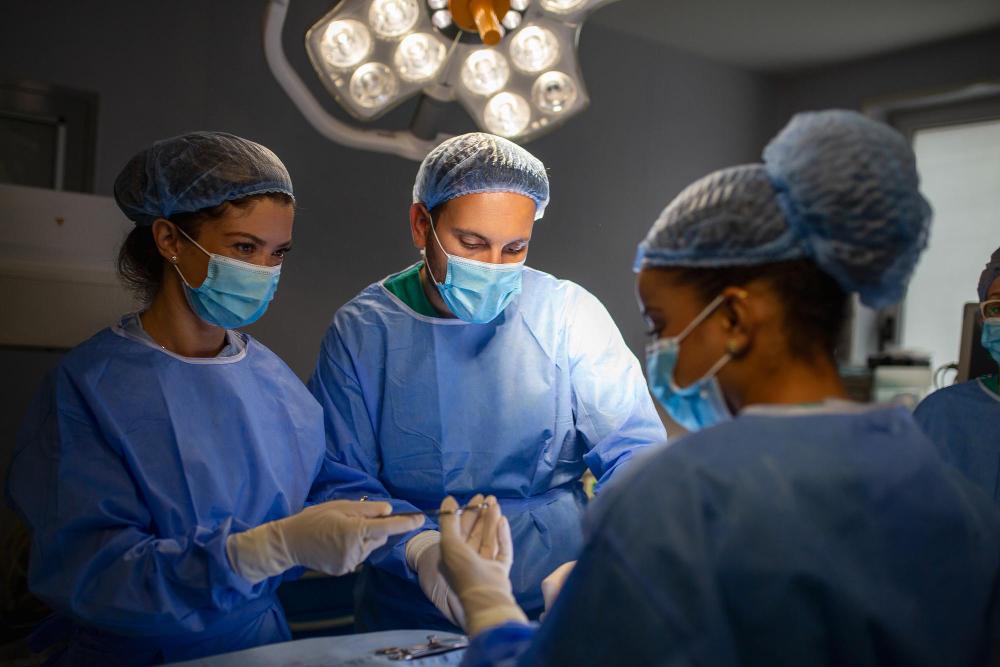
Before surgery, doctors will explain the steps and answer questions. Usually, the patient receives general anesthesia, so they are asleep during the operation. The surgeon makes a cut on the breast and removes the needed tissue. Sometimes, lymph nodes are also removed. After that, the area is closed with stitches. In some cases, doctors place a drain to remove extra fluid. The surgery usually takes two to three hours. Most people stay in the hospital for one or two days.
Recovery and Aftercare
After mastectomy surgery, recovery takes time. At first, there may be pain, swelling, or numbness. Doctors give medicine to help with pain. Because movement can be hard, gentle exercises may be suggested. Here are some tips for recovery:
Most people can return to normal activities in four to six weeks. However, everyone heals at their own pace.
Risks and Complications
Like any surgery, a mastectomy has risks. Although most people recover well, some may have problems. For example, possible risks include:
If you notice any unusual symptoms, contact your doctor right away. Early treatment can help prevent serious problems.
Tips for Coping and Support
Going through a mastectomy can be hard, both physically and emotionally. However, support is available. Here are some ways to cope:
Remember, you are not alone. Many people find comfort in sharing their experiences.
Prevention and Early Detection
While not all breast cancers can be prevented, early detection saves lives. For instance, regular screening and self-exams help find problems early. The World Health Organization and CDC recommend:
Early action can lead to better outcomes and may reduce the need for a mastectomy.
Consult a qualified surgeon or healthcare provider for personalized advice about mastectomy.